💰 Make Money Online
🤖 AI & Future Opportunities
✍️ Content & Audience Growth
📈 Marketing & Sales
🛠 Products & Services
🧠 Foundations & Mindset
🏆 Real-World Proof

💰 Make Money Online
🤖 AI & Future Opportunities
✍️ Content & Audience Growth
📈 Marketing & Sales
🛠 Products & Services
🧠 Foundations & Mindset
🏆 Real-World Proof

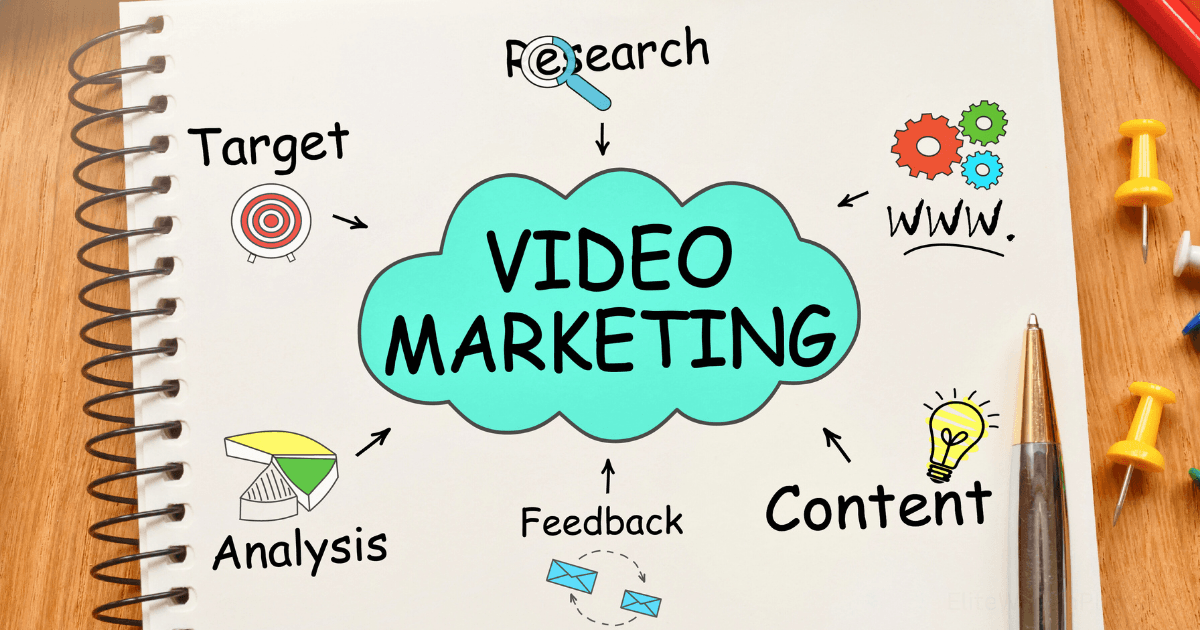
After managing marketing for dozens of businesses across multiple industries, I’ve learned that most companies approach video marketing backward. They focus on production value and viral potential rather than strategic implementation and psychological triggers that drive actual business results.
When our SaaS company faced plateauing growth earlier this year, we completely reimagined our video marketing approach. The result? A 103% increase in engagement metrics and a 118% boost in sales—all within just 60 days.
In this case study, I’ll break down the exact strategy we implemented, the psychological principles behind our approach, and the specific tactics you can apply to your business immediately.
Before diving into the strategy, let me share where we started:
Our Initial Metrics (Monthly Averages):
Despite investing significantly in high-quality video production, our content wasn’t translating into meaningful business results. The videos looked professional, but they weren’t driving action.
After analyzing hundreds of successful video marketing campaigns across industries, we identified a fundamental pattern: the most effective video strategies prioritize psychological triggers over production quality.
According to research from Nielsen, the emotional response to video content is 1.5x more influential on purchase intent than the rational response. Yet most businesses focus almost exclusively on rational messaging.
We restructured our entire approach around what I call the “Video Engagement Pyramid”:
This framework became the foundation for our 60-day transformation.
We divided our strategy into three distinct phases:
The first step was completely reimagining our video content structure based on psychological principles:
Research from Microsoft shows that the average human attention span has dropped to 8 seconds. We redesigned every video intro to create an immediate emotional connection through:
Before Example: “Welcome to our monthly product update where we’ll be showing you the new features we’ve added to our platform.”
After Example: “What if you could cut your workflow time in half—starting today? These three new features might seem small, but they’re about to transform how you work.”
We restructured our video narratives using the classic problem-agitation-solution framework:
We created a consistent visual language that reinforced our brand while optimizing for psychological impact:
With our content restructured, we completely revamped our distribution strategy:
Rather than posting the same video everywhere, we created platform-specific versions:
We implemented what I call “Progressive Video Nurturing”—a sequence of videos designed to move viewers through the buyer’s journey:
We built specific engagement triggers into every video:
The final phase focused on data-driven refinement:
We moved beyond basic view counts to track metrics that actually matter:
We implemented systematic testing of key video elements:
We created systems to incorporate viewer feedback into future content:
The impact of our strategy shift was immediate and dramatic:
After 60 Days (Monthly Averages):
The most surprising finding was that our production costs actually decreased by 23%. By focusing on strategic implementation rather than production value, we created more videos with less investment while dramatically improving results.
Beyond the metrics, we discovered several counterintuitive insights that can benefit any video marketing strategy:
Our highest-performing videos weren’t the ones showcasing the most impressive features—they were the ones that created the strongest emotional connection. According to Harvard Business Review, emotionally connected customers are 52% more valuable than highly satisfied customers.
Application Tip: Start every video by addressing an emotional pain point before introducing rational solutions.
Rather than chasing viral hits, our consistent publishing of strategically designed videos created compound growth in engagement. Our data showed that viewers who watched three or more of our videos were 4.7x more likely to become customers.
Application Tip: Create a sustainable publishing calendar of strategic videos rather than sporadic “home run” attempts.
When we began creating platform-specific versions rather than posting the same content everywhere, our engagement rates increased by an average of 78% across platforms.
Application Tip: Create a “master” video, then derive platform-specific versions with appropriate formatting, length, and hooks.
Adding clear calls-to-action and response mechanisms to every video increased our conversion rates by 143%. The most effective approach was what we call the “Value-First CTA”—providing significant value before asking for any action.
Application Tip: Include a specific, relevant call-to-action in every video, but only after delivering genuine value.
By integrating our video strategy with sales processes, we created a feedback loop that continuously improved both marketing and sales effectiveness. Sales team members reported 37% shorter sales cycles when prospects had engaged with our video content.
Application Tip: Have weekly meetings between video creators and sales teams to align content with actual customer questions and objections.
Based on our experience, here’s a framework you can use to transform your own video marketing results:
Analyze your existing videos to identify:
Identify the specific psychological triggers that resonate with your audience:
Develop a strategic content plan that covers:
Redesign your video structure around these elements:
Create efficient workflows for:
Develop a distribution strategy that includes:
Create dashboards to track:
To illustrate this framework in action, let me share our most successful campaign from the 60-day period:
This was a three-part video series targeting marketing operations professionals:
Video 1: The Hidden Cost of Workflow Chaos (Awareness Stage)
Video 2: The 15-Minute Workflow Audit (Consideration Stage)
Video 3: Workflow Transformation Case Study (Decision Stage)
This single three-part series generated 28 new customers within 30 days—more than 80% of our previous monthly total from all marketing efforts combined.
As you consider implementing this approach, you might have some concerns:
Our most effective videos were actually simpler in production than our previous content. Focus on:
The more “boring” your industry, the greater the opportunity. Our data shows that “boring” industries often see higher engagement with strategic video because there’s less competition for attention.
Implement these four content-generation systems:
Ready to transform your video marketing? Here’s how to get started in the next week:
The most important lesson from our 60-day transformation is that psychological understanding trumps production value every time. By focusing on how your audience thinks, feels, and makes decisions, you can create video content that not only engages but converts—even without a Hollywood budget.
Remember that the goal isn’t to create videos that impress; it’s to create videos that drive business results. When you align your video strategy with customer psychology and business objectives, the impact can be transformative.
What video marketing challenges is your business facing? Share in the comments below.