💰 Make Money Online
🤖 AI & Future Opportunities
✍️ Content & Audience Growth
📈 Marketing & Sales
🛠 Products & Services
🧠 Foundations & Mindset
🏆 Real-World Proof

💰 Make Money Online
🤖 AI & Future Opportunities
✍️ Content & Audience Growth
📈 Marketing & Sales
🛠 Products & Services
🧠 Foundations & Mindset
🏆 Real-World Proof

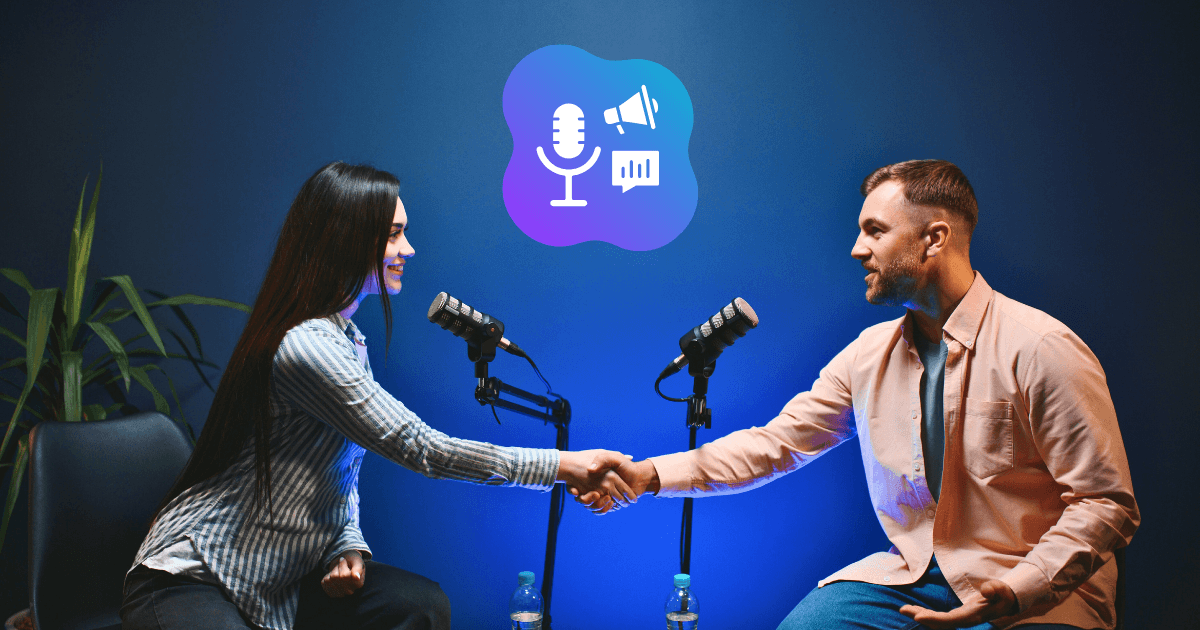
When I launched my podcast last year, I had zero audience, zero marketing budget, and frankly, zero clue what I was doing. Fast forward three months, and we’d hit over 10,000 downloads. This wasn’t luck or magic—it was a deliberate strategy that anyone with dedication can replicate.
In this post, I’ll break down exactly how we achieved this growth, the mistakes we made along the way, and the specific tactics that moved the needle. Whether you’re just starting your podcasting journey or looking to scale an existing show, these strategies can help you build a substantial audience in record time.
Before diving into our strategy, let’s get real about the current podcasting landscape. According to the Podcast Marketing Academy’s 2025 Trends Report, the median podcast episode gets just 469 downloads. That means most podcasters aren’t even hitting 500 listens per episode.
This statistic might seem discouraging, but it actually represents an opportunity. The bar isn’t as high as you might think, and with strategic execution, you can quickly separate yourself from the pack.
When we launched our podcast “Entrepreneurial Mindset,” we had:
The first mistake most podcasters make is launching without proper positioning. We spent a full week refining our concept until we had something genuinely unique.
Rather than creating yet another “interview entrepreneurs” podcast, we niched down to focus specifically on the psychological aspects of entrepreneurship—mindset shifts, mental models, and cognitive strategies that drive success.
This positioning aligned perfectly with my background in psychology and entrepreneurship, allowing me to speak with genuine authority.
Many podcasters waste weeks or even months perfecting their setup. We kept it simple:
The entire technical setup took just three days. Remember: content quality trumps audio perfection, especially when you’re starting out.
This was crucial. Instead of random episode titles, we created a strategic structure:
Rather than releasing one episode and hoping for the best, we launched with five episodes simultaneously. This strategy, recommended by podcast growth expert Stefanie Gass, gives new listeners enough content to binge, increasing the likelihood they’ll subscribe.
Our initial five episodes covered foundational topics in our niche, establishing our expertise immediately.
Before announcing publicly, we shared the podcast with:
This created our initial download spike of approximately 250 downloads in the first week—small, but crucial for momentum.
Reviews significantly impact podcast algorithm visibility. We implemented a simple but effective review generation system:
This generated 47 reviews in the first two weeks, placing us above many established podcasts in our category.
This single tactic was responsible for approximately 40% of our growth. Here’s how it worked:
From these 20 initial outreach emails, we secured 14 guest spots on other shows, exposing us to approximately 50,000 potential new listeners.
Every podcast episode was systematically repurposed into:
According to Creator Science’s 2025 growth strategy, this multi-platform approach is critical for maximizing each episode’s reach.
For every fourth episode, we created a high-value downloadable resource (worksheet, template, checklist) that listeners could access by joining our email list.
This strategy added 1,200+ email subscribers in two months, creating a direct communication channel we could leverage for promoting new episodes.
By week 9, we had enough data to identify patterns:
We doubled down on what was working, adjusting our content calendar accordingly.
We initiated podcast feed swaps with five complementary shows in our download range. Each show promoted one of our episodes to their audience, and we reciprocated.
This single tactic generated approximately 2,300 new downloads and introduced our show to perfectly aligned audiences.
With proof of concept established, we allocated $500 to test paid promotion:
The ROI was clear: podcast-specific ads delivered new listeners at approximately $0.86 per download, while Facebook ads cost around $1.37 per download.
By the end of month three, our download statistics showed:
More importantly, our growth curve was accelerating, not plateauing. By month four, we were adding 7,000+ new downloads monthly.
We never missed a release date, even when episodes weren’t perfect. According to McDougall Interactive’s podcast statistics, 73% of successful podcasters publish at least every 14 days. Consistency builds audience trust and improves algorithm performance.
Our guest reciprocity strategy created exponential rather than linear growth. Every collaboration exposed us to hundreds or thousands of perfectly matched potential listeners.
We spent 30% of our time on production and 70% on distribution. Most podcasters do the opposite, creating excellent content that nobody discovers.
Our email list became our most reliable growth channel, with open rates of 42%+ for episode announcements. This direct connection to listeners provided stability amid social media algorithm changes.
If you’re starting from zero, here’s your action plan:
Remember that podcast growth rarely happens in a straight line. Our third week was our worst in terms of new downloads, and we nearly quit. Push through these inevitable dips by focusing on your systems rather than short-term results.
Growing a podcast from zero to 10,000 downloads in three months isn’t easy, but it’s absolutely achievable with the right strategy. The podcast landscape in 2025 remains less saturated than other content formats, creating genuine opportunities for dedicated creators.
The key is approaching your podcast as a strategic business asset rather than a hobby. With intentional positioning, consistent execution, and smart distribution, you can build an audience that most podcasters only dream about.
Have you tried any of these strategies with your podcast? What’s worked best for your growth? Share your experience in the comments below!