💰 Make Money Online
🤖 AI & Future Opportunities
✍️ Content & Audience Growth
📈 Marketing & Sales
🛠 Products & Services
🧠 Foundations & Mindset
🏆 Real-World Proof

💰 Make Money Online
🤖 AI & Future Opportunities
✍️ Content & Audience Growth
📈 Marketing & Sales
🛠 Products & Services
🧠 Foundations & Mindset
🏆 Real-World Proof
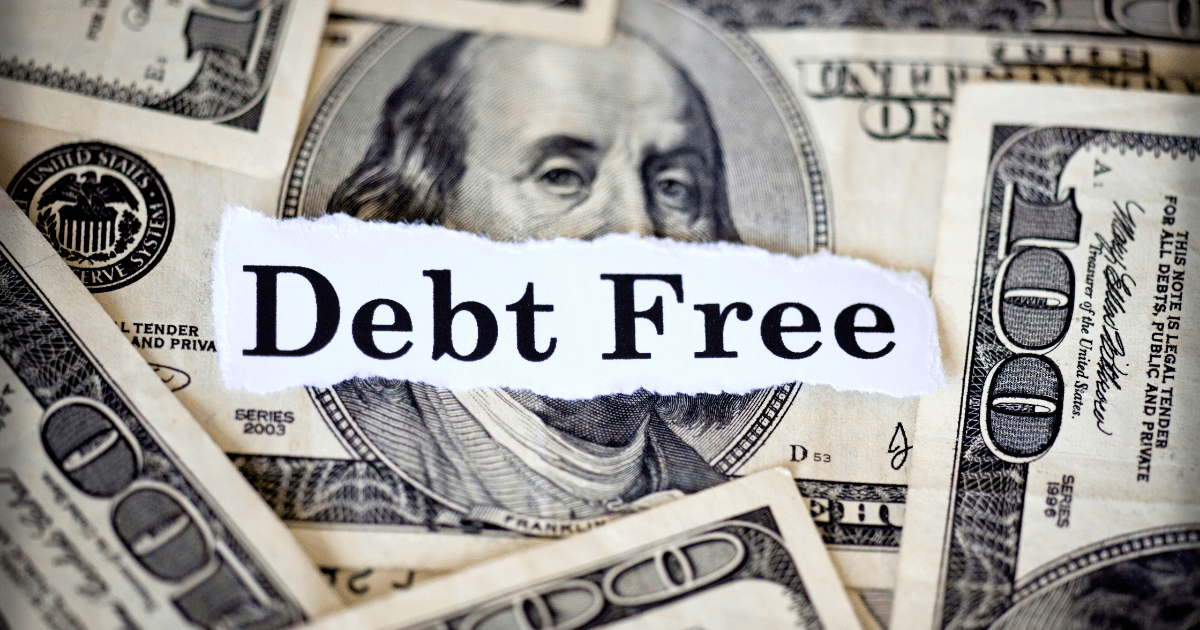
Three years ago, I faced a reality many entrepreneurs know all too well: $50,000 in debt and a burning desire to build a business. Conventional wisdom said to choose one goal—either pay off debt OR start a business. But I refused to accept this false dichotomy.
Today, I’m debt-free while running a profitable business that generates consistent six-figure revenue. This wasn’t achieved through some get-rich-quick scheme or inheritance windfall. It was the result of a methodical debt elimination strategy specifically designed for entrepreneurs—one that leveraged the unique financial dynamics of business ownership.
Let’s start by acknowledging the unique challenges entrepreneurs face when tackling debt:
My debt breakdown was typical of many aspiring entrepreneurs:
With a fledgling consulting business generating inconsistent income between $3,000-$7,000 monthly, conventional debt payoff strategies simply weren’t applicable. I needed an approach that accommodated business growth while systematically eliminating debt.
The breakthrough came when I stopped seeing debt payoff and business building as competing goals and started viewing them as complementary elements of a unified wealth-building strategy. This led to the development of what I call the Dual-Focus Framework:
The first phase focused on creating the financial infrastructure needed for both goals:
I restructured my business from a sole proprietorship to an S-Corporation, which:
Rather than immediately focusing on aggressive payoff, I first optimized the debt itself:
I implemented a financial system that accommodated both business growth and debt elimination:
This foundation set the stage for simultaneous progress on both fronts.
With the infrastructure in place, I moved to aggressive implementation:
For every dollar of business revenue:
The Growth and Freedom Fund was further divided:
This approach ensured consistent progress on debt while still investing in business growth.
Rather than cutting expenses to the bone (the traditional debt payoff advice), I focused on strategic revenue growth through:
These strategies increased average monthly revenue from $5,000 to $12,000 within 12 months, dramatically accelerating both business growth and debt payoff.
I modified the popular debt snowball method to account for entrepreneurial realities:
This approach balanced the mathematical advantage of targeting high-interest debt with the psychological benefits of the debt snowball method.
The debt elimination journey wasn’t linear, but it followed a clear progression:
By the end of month 30, I had eliminated the entire $50,000 debt while growing my business from $5,000 to $15,000+ in average monthly revenue.
Looking back, seven factors were crucial to successfully eliminating debt while building a business:
Unlike fixed-dollar budgeting (which fails with irregular entrepreneurial income), percentage-based allocation scaled automatically with business performance. This created a direct link between business growth and debt elimination—as the business grew, so did debt payments.
According to a LinkedIn article on AI debt management, prioritizing high-interest debts first while using automated systems can significantly optimize interest payments and save money in the long run.
While reasonable expense management was important, the primary accelerator was income growth. By allocating time and resources to high-ROI business development activities, I increased debt payment capacity without sacrificing quality of life.
This approach aligns with the strategy outlined in Marriage, Kids and Money, where a couple paid off $48,032 in debt within one year primarily by increasing their income rather than drastically cutting expenses.
I maintained a business emergency fund that served two purposes:
Starting with just $1,000, I gradually built this to three months of basic expenses, which provided crucial stability during the debt payoff journey.
By consolidating and refinancing high-interest debt early in the process, I reduced interest expenses by over $2,000 annually without changing payment amounts. This effectively accelerated the payoff timeline without requiring additional cash flow.
Working with a tax strategist who specialized in entrepreneurial finances, I implemented strategies that reduced tax liability while increasing debt payoff capacity:
These strategies freed up approximately $7,800 over three years that went directly to debt elimination.
For unexpected income surges (launch months, new client acquisitions, etc.), I used a specific allocation formula:
This approach prevented lifestyle inflation while accelerating both business growth and debt payoff.
Debt elimination is as much psychological as financial. I implemented several reinforcement mechanisms:
While eliminating $50,000 in debt, I simultaneously grew the business through strategic investments:
These strategic investments yielded an average ROI of 347% over the three-year period, fueling business growth while generating the additional revenue needed for debt elimination.
Based on my experience, here’s the blueprint I recommend for entrepreneurs looking to eliminate debt while building a business:
Throughout my journey, I observed several common mistakes entrepreneurs make when trying to eliminate debt:
Many entrepreneurs either focus exclusively on business growth (ignoring debt) or aggressive debt payoff (starving their business of needed investment). This false dichotomy slows progress toward both goals.
The entrepreneurial schedule is chaotic, making it easy to skip financial reviews. This leads to reduced awareness and delayed course corrections when strategies need adjustment.
Commingling finances creates tax complications, obscures true business performance, and makes debt payoff tracking nearly impossible.
While the debt snowball method (paying smallest balances first) works psychologically for some, entrepreneurs often benefit more from targeting high-interest debt first to improve cash flow.
Many entrepreneurs focus on debt while underestimating tax obligations, only to find themselves with a large tax bill they can’t pay—often leading to new debt that erases progress.
Becoming debt-free while owning a growing business creates a powerful financial inflection point. Once I eliminated the $50,000 debt, I redirected the debt payment allocation (15% of revenue) to:
This transition marked the shift from financial defense (debt elimination) to financial offense (wealth building)—all while continuing to grow the business.
This debt elimination strategy is particularly effective for:
If you’re carrying significant business debt (equipment loans, commercial real estate, etc.), you may need to modify this approach with strategies specific to business debt optimization.
If you’re ready to eliminate debt while building your business, here are your immediate next steps:
Remember that the goal isn’t just debt elimination—it’s building a financially sustainable business while creating personal financial freedom.
Perhaps the most important element of my journey was shifting from viewing debt as a source of shame or stress to seeing it as a strategic challenge to overcome. This perspective change transformed debt elimination from a burden to an engaging project with measurable progress and clear rewards.
As entrepreneurs, we’re naturally wired to solve problems and overcome obstacles. By applying that same entrepreneurial thinking to personal debt, you can achieve what might seem impossible: eliminating substantial debt while building a thriving business.
The journey won’t be linear, and there will be months where progress seems slow. But with a systematic approach and consistent execution, financial freedom and business success can be complementary goals rather than competing ones.