💰 Make Money Online
🤖 AI & Future Opportunities
✍️ Content & Audience Growth
📈 Marketing & Sales
🛠 Products & Services
🧠 Foundations & Mindset
🏆 Real-World Proof

💰 Make Money Online
🤖 AI & Future Opportunities
✍️ Content & Audience Growth
📈 Marketing & Sales
🛠 Products & Services
🧠 Foundations & Mindset
🏆 Real-World Proof

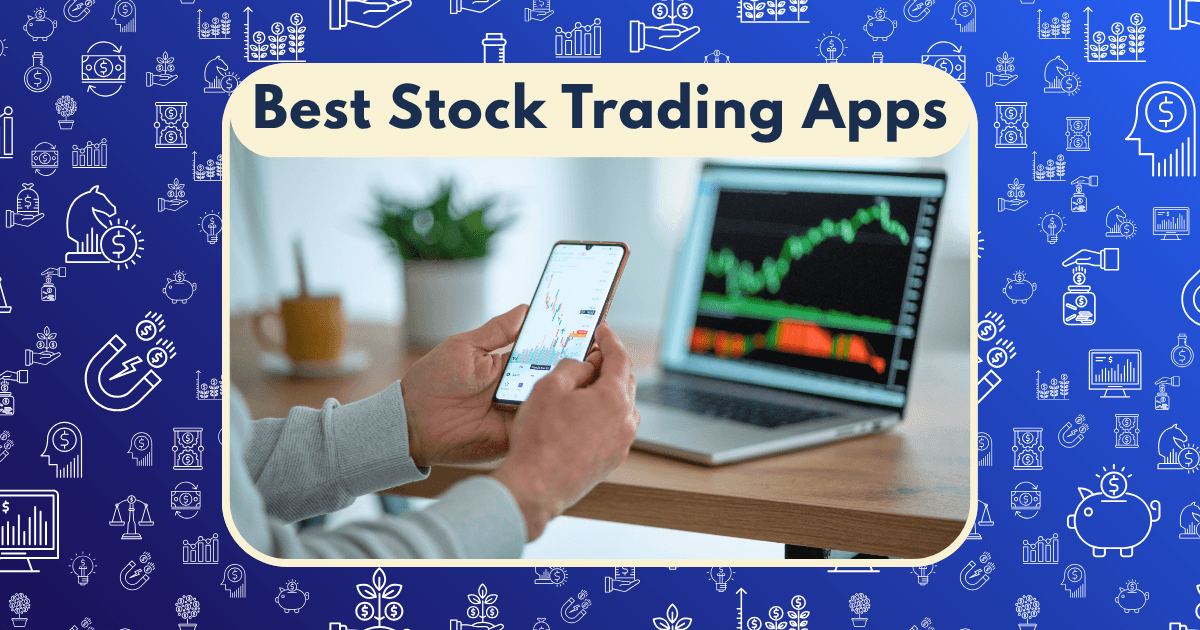
When I first began trading stocks in 2018, I made the classic novice mistake: jumping straight into live trading with real capital. Within three months, I had lost 38% of my portfolio—a painful and unnecessary lesson that could have been avoided with proper practice.
Today, as an experienced trader and investing educator, I consistently recommend that all beginners (and even seasoned traders testing new strategies) utilize paper trading before committing actual capital. Paper trading—the practice of simulated trading with virtual money—provides the perfect psychological and technical training ground for developing disciplined trading habits.
After testing over a dozen platforms, I’ve identified the six best stock trading apps with robust paper trading capabilities. This analysis goes beyond basic features to examine the psychological benefits, learning opportunities, and transition strategies that will maximize your chances of real-world success.
Before diving into specific platforms, understanding the psychological value of paper trading is essential for wealth building.
As research in behavioral finance has consistently demonstrated, emotional decision-making is the primary reason most traders underperform the market. Paper trading creates a consequence-free environment to develop the discipline and emotional control necessary for successful investing.
Key psychological benefits include:
According to a study by the University of California, investors who practiced trading strategies before implementation outperformed impulsive traders by an average of 7% annually. This performance gap highlights the tangible value of proper preparation.
After extensively testing the available options, these six platforms offer the best combination of realism, features, and educational value:
Why It Excels: Interactive Brokers offers the most comprehensive paper trading environment available, with their Trader Workstation (TWS) platform providing an identical experience to live trading. The platform’s sophisticated order types, global market access, and professional-grade tools make it ideal for serious traders.
Standout Features:
Best For: Intermediate to advanced traders seeking the most realistic simulation and those planning to trade professionally.
Psychological Benefit: The platform’s sophisticated tools and realistic execution help develop the mental discipline required for professional trading.
Why It Excels: Webull offers an exceptionally user-friendly paper trading experience that mirrors its live platform exactly. The intuitive mobile app makes it perfect for beginners learning the fundamentals of trading while on the go.
Standout Features:
Best For: Beginners, mobile-first traders, and those learning fundamental trading concepts.
Psychological Benefit: The gamification elements and community features help maintain motivation during the learning process.
Why It Excels: The thinkorswim paperMoney platform offers unparalleled options trading simulation, with advanced analytics, strategy builders, and risk visualization tools. The platform’s robust educational resources make it ideal for developing complex trading strategies.
Standout Features:
Best For: Options traders, technical analysts, and those developing complex trading strategies.
Psychological Benefit: The platform’s risk visualization tools help develop proper risk management psychology—crucial for options trading success.
Why It Excels: TradeStation’s simulation environment excels for those interested in algorithmic and rules-based trading. The platform’s EasyLanguage programming capability allows traders to code, test, and refine automated strategies without risking capital.
Standout Features:
Best For: Algorithmic traders, systematic investors, and those developing automated strategies.
Psychological Benefit: By removing emotional decision-making through automation, TradeStation helps develop a disciplined, systematic approach to the markets.
Why It Excels: TradingView combines powerful charting capabilities with an active social community, allowing traders to share ideas, follow experts, and learn collaboratively. The paper trading feature is seamlessly integrated with the charting platform.
Standout Features:
Best For: Visual traders, those who learn from community interaction, and technical analysts.
Psychological Benefit: The social aspect provides accountability and exposure to diverse trading perspectives, helping overcome confirmation bias.
Why It Excels: Moomoo differentiates itself with exceptional fundamental analysis tools in its paper trading environment. This makes it ideal for those practicing longer-term, fundamentals-based investing strategies.
Standout Features:
Best For: Fundamental investors, long-term traders, and those focused on company analysis.
Psychological Benefit: The platform’s emphasis on fundamental data helps develop patience and conviction in investment theses—crucial for long-term investing success.
The ultimate goal of paper trading is successful transition to real-money trading. Here’s my proven four-phase framework for making this transition effectively:
During this phase, experiment broadly with different approaches (day trading, swing trading, options strategies) to discover what resonates with your personality and schedule. Document everything in a trading journal.
Once you’ve identified a promising strategy, refine it into a detailed trading plan with explicit entry, exit, and risk management rules. Paper trade this specific strategy until you achieve consistent results.
Begin trading with minimal real capital (I recommend 10% of your eventual position sizes) while continuing paper trading. This creates psychological skin in the game while limiting risk.
Increase your real trading allocation by 10-20% every 2-3 weeks as you demonstrate consistency. Continue paper trading new strategies or modifications in parallel.
Despite its benefits, paper trading has potential psychological traps that can hinder your development as a trader:
Problem: Paper trades often execute instantly at the desired price, unlike real markets where slippage and liquidity issues occur.
Solution: Choose platforms like Interactive Brokers that simulate realistic execution, or manually add 1-2% slippage to your paper trades.
Problem: Without real money at stake, traders often take excessive risks they would avoid in live trading.
Solution: Trade as if the money is real by establishing clear risk parameters (e.g., never risk more than 1% of your account on a single trade) and adhering to them strictly.
Problem: Paper trading doesn’t replicate the emotional pressure of real trading, creating a false sense of discipline.
Solution: Implement consequence-based accountability (e.g., no TV for a day if you break your trading rules) to simulate emotional stakes.
Problem: Some traders get stuck in paper trading indefinitely, seeking “perfect” results before going live.
Solution: Establish clear, achievable metrics for transitioning to real trading (e.g., three consecutive profitable weeks with >60% win rate) and commit to the transition once met.
To extract maximum value from your paper trading experience, implement these advanced techniques:
Deliberately practice trading during different market conditions by using historical data mode (available on thinkorswim and TradeStation). This allows you to experience how your strategy performs during:
Intentionally create distractions or stressors while paper trading to build mental resilience:
After establishing your strategy, conduct periodic blind reviews:
This process builds pattern recognition without hindsight bias.
Intentionally make controlled mistakes in your paper trading to learn their consequences:
By experiencing these mistakes in a consequence-free environment, you’ll develop stronger discipline against them in real trading.
Paper trading is not merely a simulator—it’s a psychological training ground that develops the mental discipline required for trading success. The platforms highlighted in this analysis provide the tools needed to build these critical skills before risking actual capital.
My recommendation for most traders is to begin with Webull for its accessibility, then progress to either thinkorswim (for active traders) or Interactive Brokers (for those seeking the most realistic experience) as your skills advance.
Remember that the goal isn’t to stay in paper trading forever, but to use it as a stepping stone to confident, disciplined real-money trading. By following the four-phase transition framework and implementing the advanced techniques outlined above, you’ll maximize your chances of joining the minority of traders who achieve consistent profitability.
Have you used paper trading platforms to develop your trading skills? What was your experience transitioning to real-money trading? Share in the comments below.