💰 Make Money Online
🤖 AI & Future Opportunities
✍️ Content & Audience Growth
📈 Marketing & Sales
🛠 Products & Services
🧠 Foundations & Mindset
🏆 Real-World Proof

💰 Make Money Online
🤖 AI & Future Opportunities
✍️ Content & Audience Growth
📈 Marketing & Sales
🛠 Products & Services
🧠 Foundations & Mindset
🏆 Real-World Proof
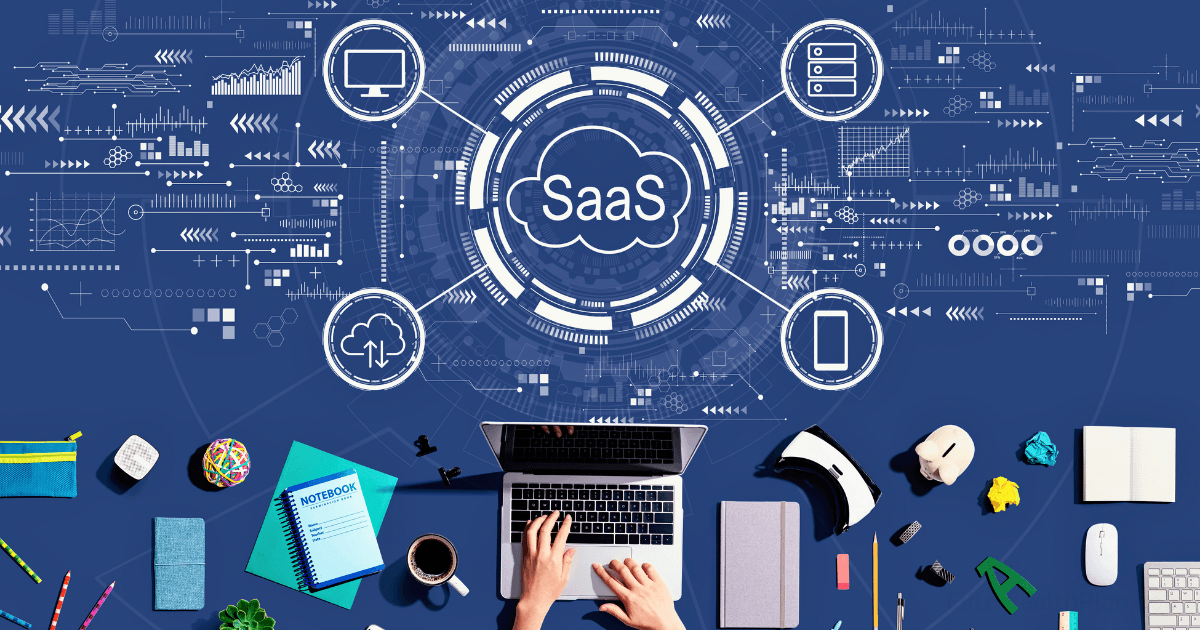
Last year, I was stuck in the same rut many entrepreneurs find themselves in: great ideas, minimal technical skills, and quotes from developers that made my eyes water. Fast forward 11 months, and I’d built, scaled, and sold a SaaS product for a healthy six-figure sum—without writing a single line of code.
Sounds like fiction? I thought so too, until I did it.
It started when a friend complained about the difficulty of tracking client feedback across multiple platforms. “There’s got to be a better way,” he said. That night, I sketched a solution on the back of a napkin (entrepreneurial cliché, I know, but it actually happened).
The problem was clear: creative professionals needed a centralized system to collect, organize, and implement client feedback. The bigger problem? I couldn’t code my way out of a digital paper bag.
Enter the world of no-code development.
After researching various no-code platforms, I settled on a combination of tools:
Why this stack? Bubble offered the flexibility I needed for a custom UI. Airtable provided a robust yet user-friendly database. Zapier connected everything seamlessly, and Stripe’s documentation made implementing payments surprisingly straightforward.
Unlike traditional development, which might take months to deliver a minimum viable product, I had a working prototype in just over three weeks. Here’s how I approached it:
The first version was ugly. Really ugly. But it worked, and that’s what mattered.
With an MVP ready, I needed users. I didn’t have a marketing budget, so I got creative:
Within 60 days, I had 27 paying customers at $29/month. Not retirement money, but validation that I was solving a real problem.
As user numbers grew, I encountered the first major hurdle of no-code development: scaling issues. My Bubble app slowed down, and some automations failed under increased load.
Rather than panic, I:
The lesson? No-code tools have limitations, but with some creativity, you can push those boundaries further than you might expect.
My pricing evolved through three distinct phases:
The third model proved most profitable, aligning costs with customer value. As users processed more client feedback, they paid more—but they were happy to do so because it meant their business was growing.
By month eight, monthly recurring revenue hit $13,800. Not bad for someone who couldn’t code.
I wasn’t looking to sell. In fact, I was planning feature expansions when an email arrived from the CEO of a creative management platform. They were interested in acquiring my tool to integrate into their ecosystem.
Initial discussions led to a formal offer, and after three months of due diligence (yes, even no-code products require due diligence), we closed the deal.
While I can’t disclose the exact amount due to an NDA, it was in the mid-six figures—enough to fund my next venture and take a much-needed vacation.
If you’re considering the no-code route, here are my key takeaways:
Absolutely. But it requires:
Building and selling a no-code SaaS wasn’t easy, but it was certainly easier than learning to code from scratch or raising capital for a development team.
The democratization of software creation through no-code tools has opened entrepreneurship to a whole new category of founders. People with domain expertise but limited technical skills can now build valuable, sellable products.
As Gartner predicts, by the end of 2025, 70% of new applications developed by enterprises will use low-code or no-code technologies, up from less than 25% in 2020.
The no-code revolution isn’t coming—it’s already here. The question is: what will you build with it?
Have you built something with no-code tools? I’d love to hear about your experience in the comments below.