💰 Make Money Online
🤖 AI & Future Opportunities
✍️ Content & Audience Growth
📈 Marketing & Sales
🛠 Products & Services
🧠 Foundations & Mindset
🏆 Real-World Proof

💰 Make Money Online
🤖 AI & Future Opportunities
✍️ Content & Audience Growth
📈 Marketing & Sales
🛠 Products & Services
🧠 Foundations & Mindset
🏆 Real-World Proof

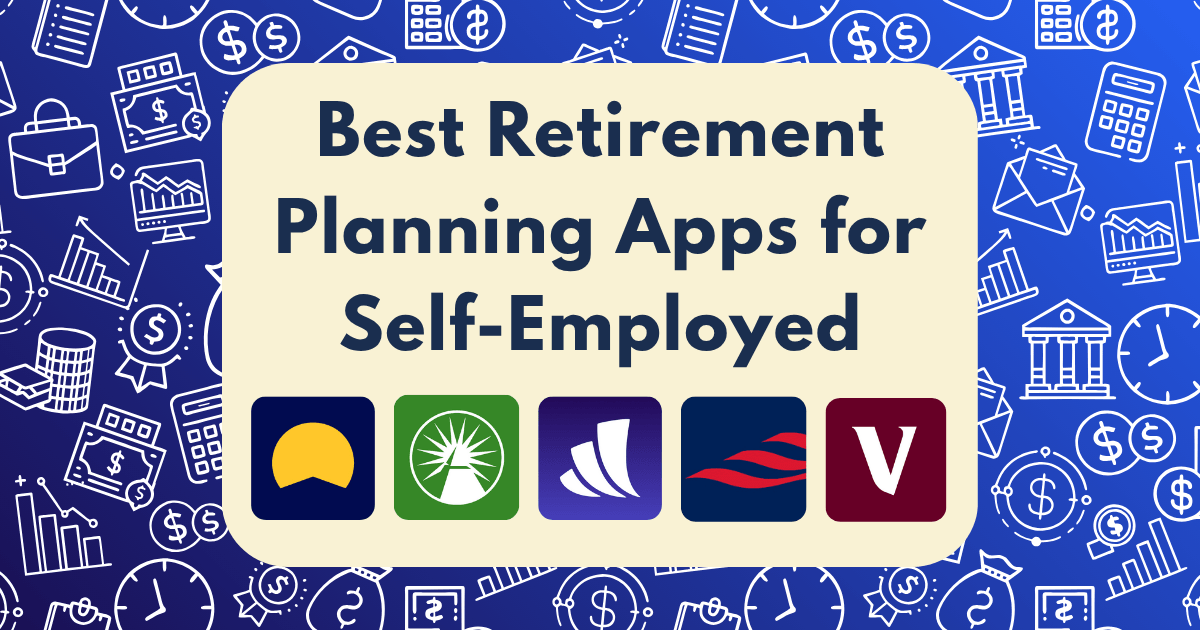
When you’re self-employed, retirement planning isn’t just another financial task—it’s a complete DIY project. There’s no HR department setting up your 401(k), no employer match padding your savings, and definitely no pension waiting at the finish line. It’s just you, your fluctuating income, and the gnawing question: “Am I doing this right?”
I’ve spent years navigating this landscape, both personally and professionally, testing virtually every retirement-planning app available to the self-employed. The truth? Most fall woefully short of addressing our unique challenges. But a select few stand out by offering the right combination of features, flexibility, and reasonable fees.
Let’s cut through the marketing hype and get to what actually works for those of us without the corporate retirement safety net.
Before diving into specific apps, let’s acknowledge what makes retirement planning uniquely difficult for the self-employed:
The right retirement planning app needs to address these challenges specifically—not just offer generic advice designed for W-2 employees.
Understanding contribution limits is essential for maximizing tax advantages:
| Account Type | Contribution Limit | Catch-Up (Age 50+) | Catch-Up (Age 60-63) |
|---|---|---|---|
| Solo 401(k) | $70,000 | $7,500 | $11,250 |
| SEP IRA | $70,000 or 25% of compensation (max $350,000) | N/A | N/A |
| SIMPLE IRA | $16,500 | $3,500 | $5,250 |
| Traditional/Roth IRA | $7,000 | $1,000 | N/A |
I evaluated each app based on:
Here’s how they stack up.
Best for: Self-employed individuals seeking an all-in-one platform with human advisor access
Betterment has evolved from a simple robo-advisor into a comprehensive platform with features tailored for self-employed professionals.
Key Features:
Fee Structure:
The Verdict:
Betterment excels at making retirement planning approachable for self-employed individuals who don’t want to get bogged down in investment details. The tax coordination feature is particularly valuable for maximizing after-tax returns. However, the platform lacks Solo 401(k) support—a significant drawback for higher-earning self-employed professionals.
Best for: Budget-conscious self-employed individuals seeking low-cost retirement planning
Fidelity combines the resources of a major financial institution with surprisingly competitive fees for smaller accounts.
Key Features:
Fee Structure:
The Verdict:
Fidelity Go offers exceptional value, especially for self-employed professionals just starting their retirement journey. The free management for accounts under $25,000 removes a significant barrier to entry. While the platform lacks some of the advanced tax features of competitors, its comprehensive account options and integration with Fidelity’s broader ecosystem make it a strong contender.
Best for: Tech-savvy self-employed individuals seeking advanced tax optimization
Wealthfront has built its reputation on sophisticated tax strategies that are particularly valuable for self-employed professionals with variable income.
Key Features:
Fee Structure:
The Verdict:
Wealthfront’s tax optimization features are unmatched, potentially saving self-employed professionals thousands in taxes over time. The Path planning tool does an excellent job accounting for irregular income patterns. The primary drawback is the lack of Solo 401(k) support, which limits options for higher earners. Additionally, there’s no human advisor option for complex situations.
Best for: High-earning self-employed professionals seeking comprehensive financial management
Empower combines powerful free planning tools with premium wealth management services for those with larger portfolios.
Key Features:
Fee Structure:
The Verdict:
Empower offers the most comprehensive planning tools for self-employed professionals with complex financial situations. The free retirement planner alone provides tremendous value. However, the wealth management fees are significantly higher than those of robo-advisor alternatives, making it best suited for high earners who value personalized advice.
Best for: Self-employed individuals seeking a low-cost, long-term retirement solution
Vanguard brings its legendary low-cost approach to automated retirement planning with a focus on simplicity and long-term investing.
Key Features:
Fee Structure:
The Verdict:
Vanguard Digital Advisor offers the lowest all-in cost structure among major retirement planning apps. While it lacks some of the bells and whistles of competitors, its focus on long-term, low-cost investing aligns perfectly with successful retirement planning. The platform is ideal for self-employed professionals who prefer a set-it-and-forget-it approach over constant tinkering.
Learn about Vanguard Digital Advisor
Best for: Self-employed individuals seeking maximum contribution options and investment flexibility
Unlike the previous options, Carry isn’t a traditional investment app but rather a specialized platform for establishing and managing Solo 401(k) plans.
Key Features:
Fee Structure:
The Verdict:
For self-employed professionals seeking maximum contribution limits and investment flexibility, Carry offers features unavailable on mainstream platforms. The ability to invest in alternative assets and utilize advanced strategies like the Mega Backdoor Roth can significantly accelerate retirement savings. However, the platform requires more financial sophistication and active management than robo-advisor alternatives.
| Feature | Betterment | Fidelity Go | Wealthfront | Empower | Vanguard | Carry |
|---|---|---|---|---|---|---|
| Management Fee | 0.25%-0.40% | 0%-0.35% | 0.25% | 0.49%-0.89% | ~0.15% | $299/year |
| Account Minimum | $0 | $10 | $500 | $100,000* | $100 | $0 |
| SEP IRA Support | ✓ | ✓ | ✓ | ✓ | ✓ | ✓ |
| Solo 401(k) Support | ✗ | ✓ | ✗ | ✓ | ✓ | ✓ |
| Tax-Loss Harvesting | ✓ | Limited | ✓✓ | ✓ | Limited | N/A |
| Human Advisor Access | ✓ | Limited | ✗ | ✓ | ✗ | ✗ |
| Alternative Investments | ✗ | ✗ | ✗ | Limited | ✗ | ✓ |
*Free tools available with no minimum
The right retirement account type dramatically affects which app you should choose:
The best app is only as good as the strategy behind it. Here are key approaches to enhance your retirement planning:
For those with variable income:
Maximize tax advantages by:
Align retirement planning with business planning by:
When evaluating retirement planning apps, be alert to these potential fee traps:
The management fee is just one component of your total cost. The underlying funds also charge fees:
Some platforms charge for:
The tax efficiency of a platform can significantly impact your after-tax returns:
After extensive testing and analysis, here are my recommendations based on specific self-employment scenarios:
Best Overall: Fidelity Go. The combination of comprehensive account options, integration with Fidelity’s broader ecosystem, and exceptionally low fees (free under $25,000) makes Fidelity Go the best choice for most self-employed professionals.
Best for Tax Optimization: Wealthfront. For those in high tax brackets seeking to minimize their tax burden, Wealthfront’s sophisticated tax-loss harvesting and risk parity strategies provide unmatched value despite the lack of Solo 401(k) support.
Best for Maximum Flexibility: Carry. Self-employed professionals seeking complete control over their retirement investments and access to alternative asset classes will find Carry’s specialized Solo 401(k) platform worth the higher setup costs and more active management requirements.
Best for High Earners: Empower. Those with portfolios exceeding $250,000 will benefit from Empower’s comprehensive planning tools and dedicated financial advisors, justifying the higher management fees.
Best Budget Option: Vanguard Digital Advisor. With the lowest all-in cost structure (approximately 0.20% including fund fees) and no additional transaction costs, Vanguard provides exceptional value for cost-conscious self-employed individuals.
Retirement planning for self-employed professionals requires more effort than for traditional employees, but the right app can significantly streamline the process. The key is finding a platform that addresses your specific needs—whether that’s tax optimization, investment flexibility, or comprehensive planning—while keeping fees reasonable.
Remember that even the best app is just a tool. The most important factors in successful retirement planning remain consistent saving, appropriate asset allocation, and regular review of your progress toward your goals.
What retirement planning app do you use as a self-employed professional? Share your experiences in the comments below.